More than 90 years after the Long March reshaped the course of Chinese history, its spirit continues to inspire people both in China and around the world, participants said Friday as they concluded a 40-day journey along the historic route.
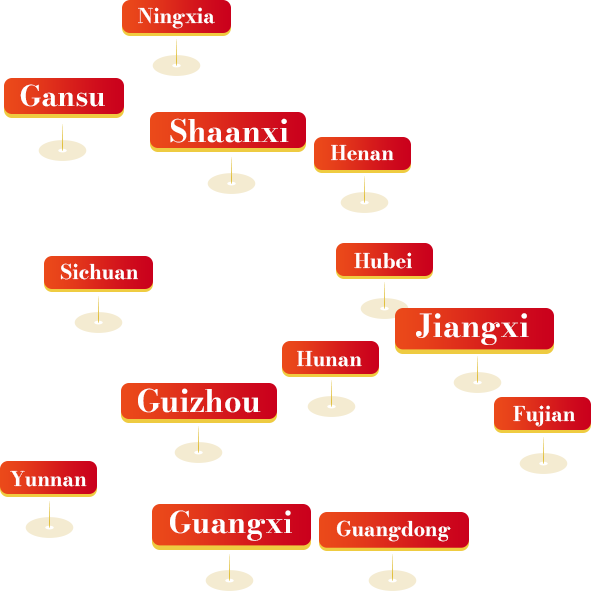
On Oct. 19, 1935, the Central Red Army arrived in Wuqi county, Yan'an, northwest China's Shaanxi province, bringing the Long March to a victorious end. The county became not only the final destination of the epic journey but also the starting point for a new stage of the Chinese revolution.
On Nov. 5, 1935, as snow blanketed Ganquan county in what is now Yan'an, northwest China's Shaanxi province, a speech declared the victory of the Central Red Army's Long March and the defeat of its enemies.
In July 1935, the Red Army halted and rested here for seven days during the Long March. Barkam City, in which the village is located was established based on the territories of four of the 18 original Jiarong Tibetan chieftains (Tusi) in northwest Sichuan area and so was also known as the Four Tusi Region in the Qing Dynasty (1644-1911).
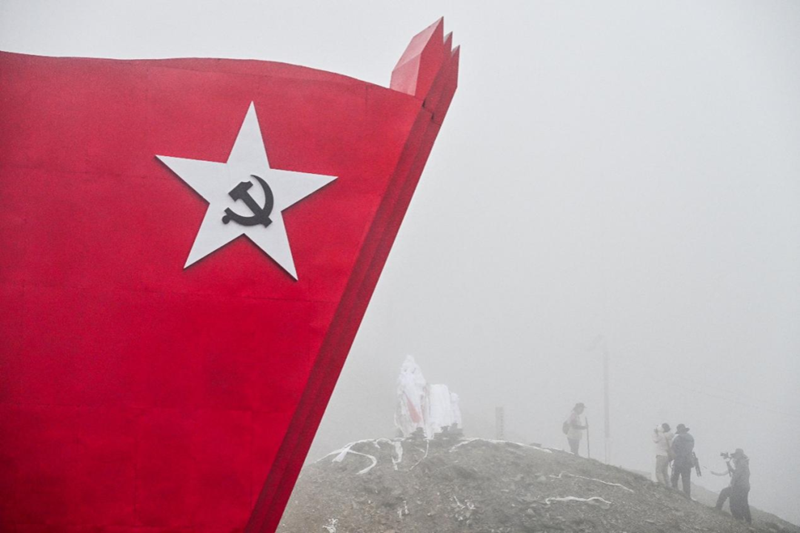
On July 6, a group of journalists from the China International Communications Group (CICG)'s Together on the Long March project crossed the Jiajin Mountain Pass while travelling along the route taken by the Central Red Army during the Long March. The pass is located at an elevation of 4,114 meters sits the border between Baoxing County in Ya'an City and Xiaojin County in the Aba Tibetan and Qiang Autonomous Prefecture in Sichuan Province.
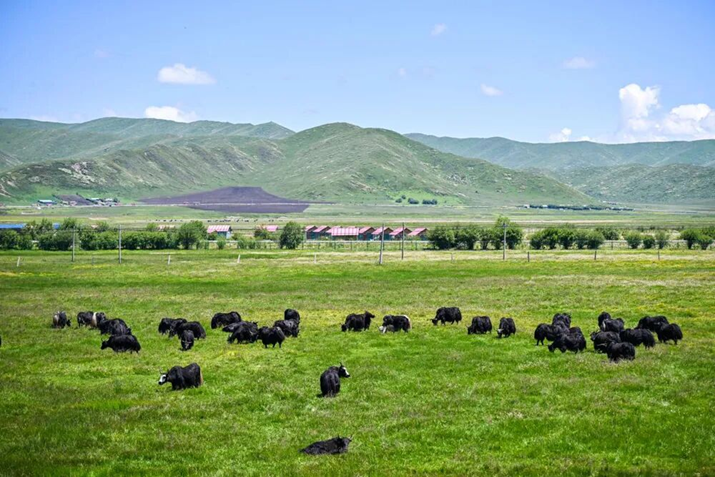
With it's name translating to "red grassland," Hongyuan County in Aba Tibetan and Qiang Autonomous Prefecture of Sichuan Province is China's only county named after the historic Long March.










93b96163-c013-41de-bdff-24d140136cd4.png)
cd6e99b9-eb6d-4875-b855-8c96ffff088c.png)
844928c3-6acf-4efd-86eb-c44d470ab711.png)






ccb1926e-e893-44d9-a029-7ff59689a382.png)
e508585d-0035-4019-ad0d-37c43f44063f.jpg)
376021bf-58dd-416f-a93d-a98c91103417.png)